Emerging managers
№ 002
For most emerging managers, SPV-first beats fund-first
In my last post, one line triggered most of the discussion:
"With little cash before first close, go SPV by SPV first, then the fund."
So here is the full case. For most emerging managers, SPV-first beats fund-first.
1.) Fund I economics don't work at first close.
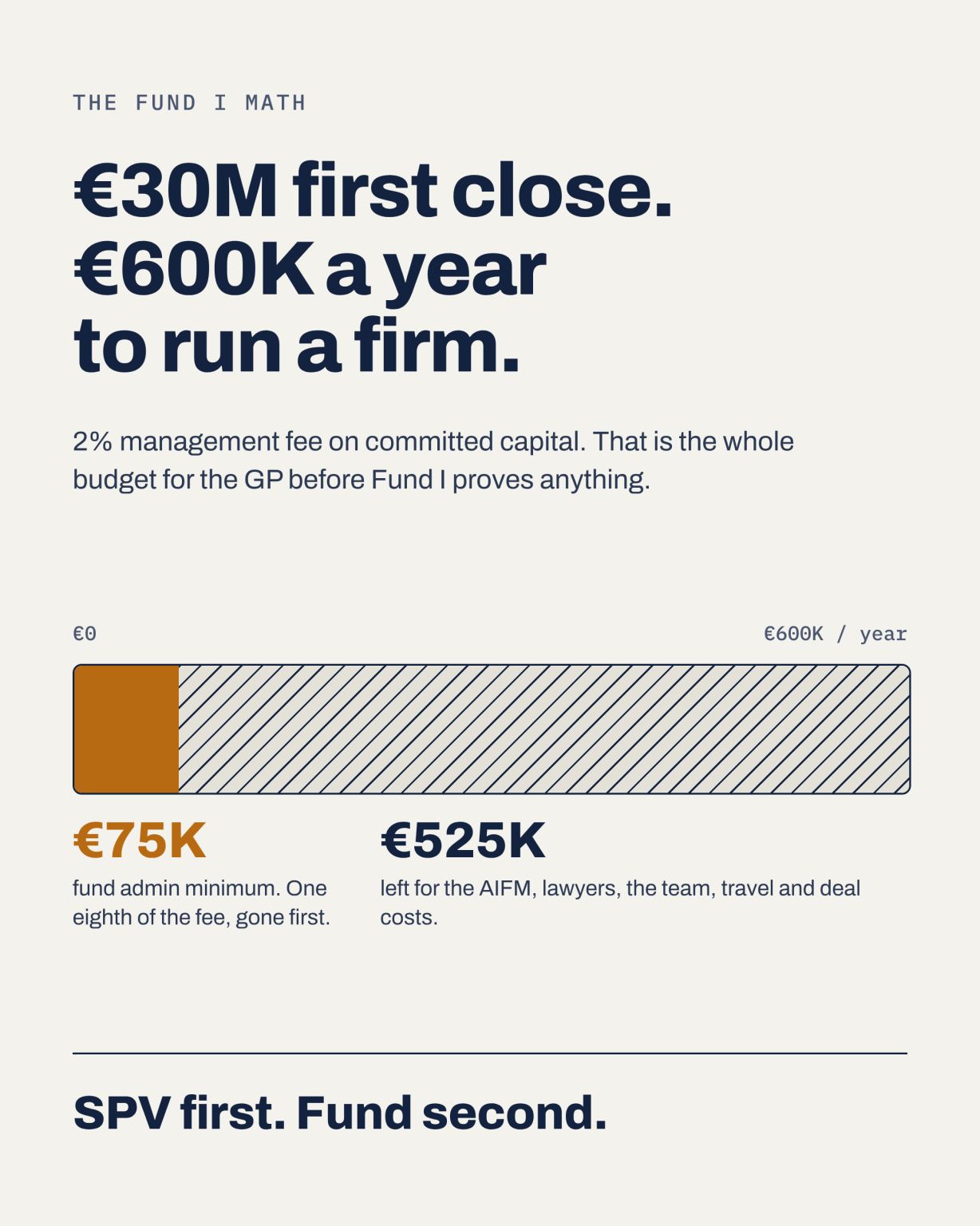
2% on a €30M first close is €600K a year. A €75K admin minimum takes one-eighth of that before the AIFM or the lawyers send a bill. It's the math most first-time GPs make nervous 🤐.
2.) An SPV is a sample. A blind pool is a promise.
In a fund, the LP is underwriting you and a thesis. In an SPV, they see the company, the memo, the valuation and the terms. Nothing makes your judgment visible faster.
3.) The market has already moved.
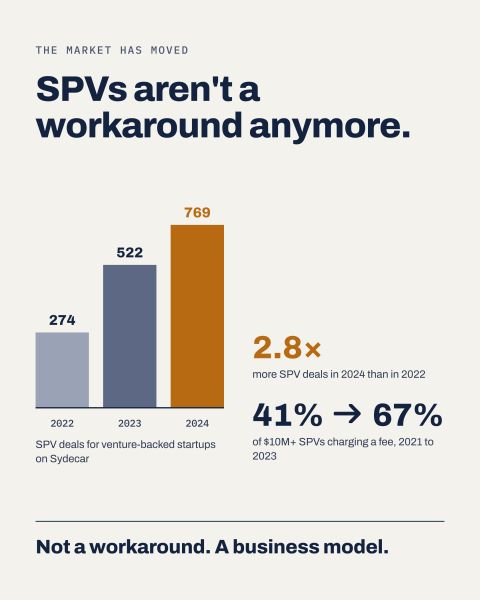
Sydecar: 274 SPV deals in 2022 → 522 in 2023 → 769 in 2024. Capital raised more than doubled to $476M.
Carta: the share of $10M+ SPVs charging a fee went from 41% to 67% in two years.
This isn't a workaround anymore. It's a business model.
4.) You never stop fundraising.
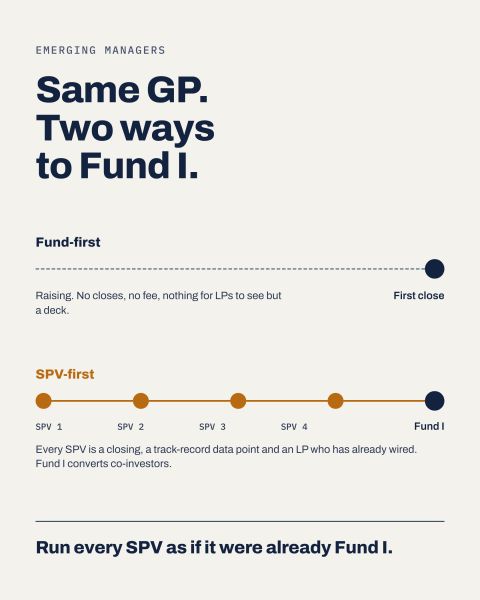
Every SPV is a closing. Every closing adds a track-record data point and an LP who has already wired money to you. When you launch the fund, you're converting co-investors, not pitching strangers.
But SPV-first has a price most people underestimate:
→ Every SPV is its own entity. Bank account, docs, tax, reporting. Five deals = five mini-funds to run.
→ Allocation. When a deal gets hot, who gets in? Without a written allocation policy and a log of every offer, "co-investment access" turns from a perk into a trust problem.
→ "No fee, no carry" is not a definition. Put fees, carry and broken-deal costs on paper before the first wire.
→ Lighter structure doesn't mean no rules. You are still running an investment business, with the regulatory, KYC and fiduciary obligations that come with it.
My rule: run every SPV as if it were already Fund I.
Same quarterly report, same template, same cadence, from day one. Then LPs read you like a fund before you ever ask them to commit to one.
LPs, honest question:
Would you rather back a manager with 5 SPVs and 8 quarters of clean reporting, or a first close with a great deck and a big anchor?